When it comes to ensuring the safety and protection of your home, one of the most important factors to consider is the quality and durability of the roofing materials used. A roof serves as your home’s first line of defense against harsh weather, environmental conditions, and potential hazards. The right roofing materials can significantly enhance your home’s ability to withstand various external elements, ultimately providing both security and peace of mind for you and your family. The materials you choose for your roof play a vital role in its strength and longevity. Traditional roofing materials such as asphalt shingles are widely used because of their affordability, versatility, and ease of installation. These shingles are designed to endure wind, rain, and even light snow, offering a solid barrier against the elements. However, for areas prone to extreme weather conditions such as hurricanes or heavy snowfall, more robust materials like metal roofing may be a better option. Metal roofs are incredibly durable, offering superior resistance to high winds, hail, and even wildfires.
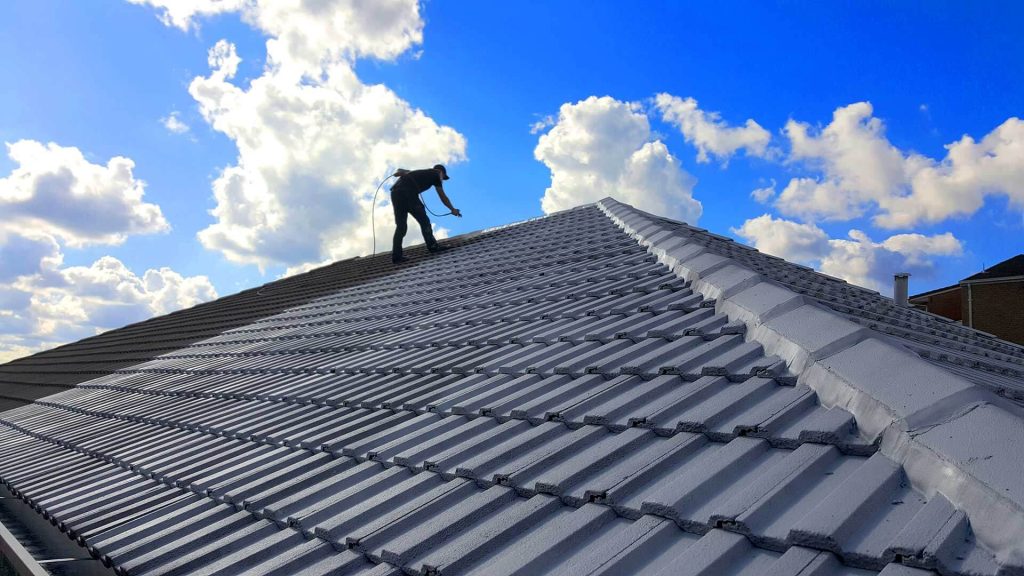
Their ability to shed rain and snow quickly also prevents the buildup of water or ice, reducing the risk of leaks and structural damage. Another key consideration for roofing materials is their insulation properties. A well-insulated roof can regulate the temperature within your home, providing both comfort and energy efficiency. Materials like clay tiles, concrete, and slate offer excellent insulation, helping to keep your home cool in the summer and warm in the winter. These materials also have high thermal mass, meaning they can absorb and slowly release heat, further stabilizing indoor temperatures. This level of temperature control not only contributes to your comfort but also reduces the strain on your heating and cooling systems, leading to lower energy bills and a reduced environmental footprint. In addition to providing insulation, certain roofing materials also offer soundproofing qualities. For example, materials like metal and slate can absorb sound, reducing the noise from rain, hail, or other external disturbances. This makes your home a more peaceful sanctuary, especially if you live in a noisy area or near busy roads.
When considering roofing materials, safety features should also be a top priority. For instance, fire-resistant materials such as metal, clay tiles, and certain synthetic options provide an added layer of protection against potential fires and navigate here. In regions where wildfires are a concern, fire-resistant roofs can significantly reduce the risk of ignition from flying embers. Additionally, materials like asphalt shingles can be treated with fire-resistant coatings to enhance their ability to withstand flames. The durability and resistance of roofing materials also extend to their ability to resist mold, algae, and other biological growths that can compromise the integrity of your roof and home. Roofing materials like copper, zinc, and specially treated asphalt shingles are less likely to harbor these growths, helping to maintain the roof’s strength and appearance over time. Ultimately, choosing the right roofing materials goes beyond aesthetics or cost it is about making an investment in your home’s safety and long-term protection. By selecting durable, fire-resistant, well-insulated, and low-maintenance materials, you not only safeguard your home against the elements but also improve its overall value.